
Introduction
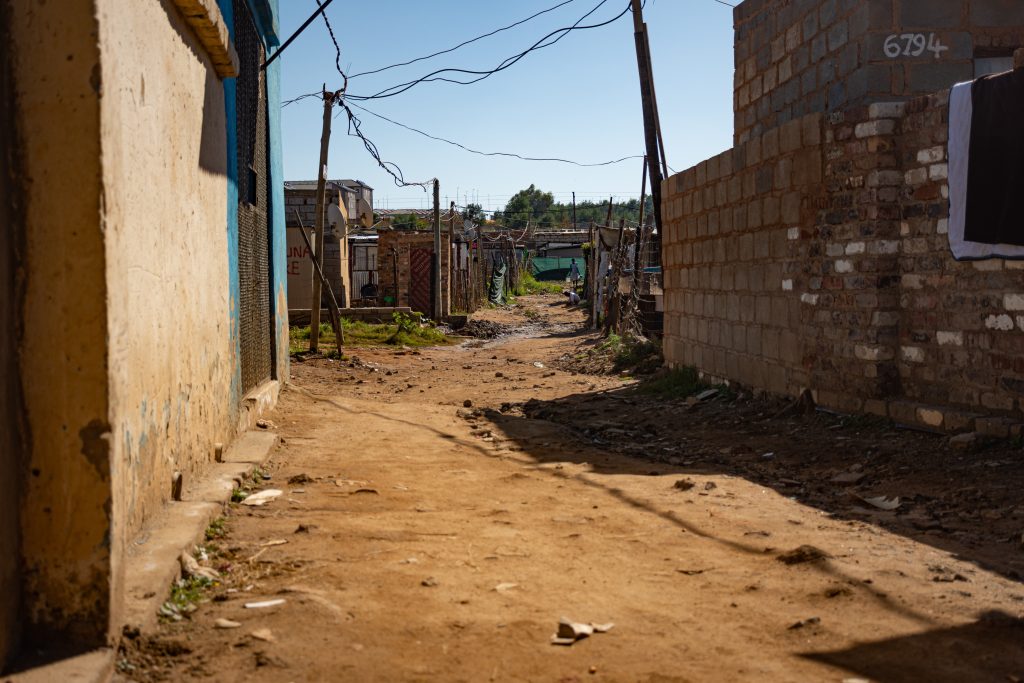
Air quality is a pressing concern in many South African townships, where residents face the detrimental effects of pollution on their health and well-being. In this blog, we will shed light on the critical role of trees in mitigating air pollution and improving the quality of life in townships like Soweto, Alexandra, Diepsloot, Thembisa, Kagiso, and Thokoza.
Township Air Quality and Tree Cover Statistics
| Township | Population | Air Quality Issues | Tree Cover |
|---|---|---|---|
| Soweto | >1 million | Exceeding national standards for PM10 and SO2 | 0.2% |
| Alexandra | >160,000 | One of the most polluted townships in Johannesburg | Low |
| Diepsloot | >200,000 | High levels of PM10 and other pollutants | Low |
| Thembisa | >500,000 | Low tree cover | 2.7% |
| Kagiso | N/A | High levels of PM10 and NO2 | N/A |
| Thokoza | >50,000 | Low tree cover | 0.5% |
Insights
- Soweto: With a population of over one million, Soweto faces the challenge of exceeding national air quality standards for PM10 and SO2. The meager tree cover of only 0.2% exacerbates the issue, calling for urgent action to combat air pollution. The implications for public health are severe, including respiratory and cardiovascular problems.
- Alexandra: As one of the most polluted townships in Johannesburg, Alexandra suffers from poor air quality. The lack of green spaces worsens the situation, with implications for respiratory health and mental well-being. Initiatives to increase tree cover and create parks could make a significant difference.
- Diepsloot: High levels of PM10 and other pollutants contribute to the poor air quality in Diepsloot. The limited tree cover accentuates the health risks associated with air pollution, including respiratory and cardiovascular ailments. Planting more trees and establishing green spaces are vital to address this issue.
- Thembisa: Despite its large population, Thembisa struggles with low tree cover, which impacts air quality. Respiratory issues, such as asthma and bronchitis, are prevalent due to poor air quality. Increasing the percentage of tree cover and implementing tree planting initiatives can help alleviate these health concerns.
- Kagiso: Although specific population data is unavailable, Kagiso faces significant air pollution issues with high levels of PM10 and NO2. The associated health risks, including respiratory and cardiovascular problems, underline the urgent need for measures such as tree planting and green space creation.
- Thokoza: With a population of over 50,000 people, Thokoza experiences low tree cover and the resultant consequences for air quality. Respiratory problems and mental health issues are prevalent due to poor air quality. Increasing tree cover and investing in green spaces would offer immense benefits to the community.
Conclusion
The statistics highlight the pressing need for urgent action to improve air quality in South African townships. Enhancing tree cover and creating green spaces are essential steps to combat air pollution and its detrimental health effects. By planting more trees, these communities can breathe cleaner air, experience cooler temperatures, and enjoy the physical and mental health benefits of green spaces. It is crucial for local authorities, organizations, and community members to collaborate and prioritize tree planting initiatives as an integral part of improving the overall quality of life in South African townships.